
 Support
 Support


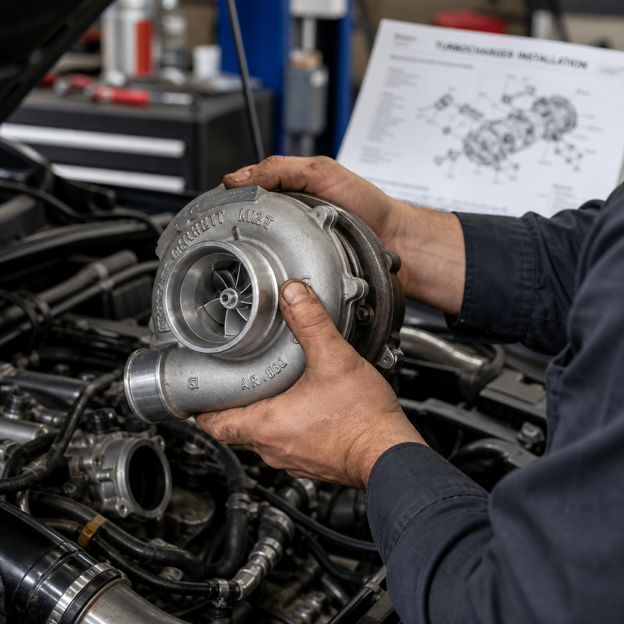
Buying the wrong turbocharger is an expensive mistake that happens more often than most mechanics admit. A mismatched turbo can destroy your engine, leave power on the table, or simply fail within months of installation. This turbocharger buying guide exists because the market is flooded with options ranging from OEM replacements to budget aftermarket units, and sorting through them without clear criteria wastes both time and money. Whether you are a DIY mechanic replacing a blown turbo on a daily driver or a shop technician sourcing a performance upgrade, the decisions you make before hitting the checkout button matter enormously.
Table of Contents
- Why Turbocharger Selection Matters More Than Price
- Types of Turbochargers: Which Design Fits Your Build
- Key Specs to Check Before You Buy a Turbocharger
- OEM vs. Aftermarket vs. Remanufactured: A Direct Comparison
- How to Buy a Turbocharger Online Without Getting Burned
- Replacement Turbocharger Installation Tips That Prevent Comebacks
- Frequently Asked Questions
- References
Quick Takeaways
| Key Insight | Explanation |
|---|---|
| Match the turbo to your engine's airflow needs first | Compressor maps and trim size must align with your engine displacement and target horsepower, not just the mounting flange. |
| Lag vs. top-end power is a real trade-off | Smaller turbos spool faster but limit peak output. Larger turbos offer more power but increase turbo lag, especially at low RPM. |
| OEM replacements are the safest bet for daily drivers | For vehicles used as commuters, an OEM-spec replacement turbo avoids tuning changes and maintains emissions compliance. |
| Oil feed line condition kills new turbos | Installing a fresh turbo on a clogged or damaged oil feed line is one of the top causes of premature turbo failure within the first 500 miles. |
| Casting numbers and VIN verification prevent mis-fits | Always cross-reference the OEM part number stamped on your old turbo with the supplier's fitment guide before purchasing. |
| Remanufactured turbos offer a middle-ground value | Quality remanufactured units from reputable rebuilders include new bearings and seals and often cost 40-60% less than OEM new parts. |
| Aftermarket performance turbos require supporting modifications | Upgraded intercoolers, fuel injectors, and ECU tuning are typically necessary to realize gains from a larger performance turbo safely. |
Why Turbocharger Selection Matters More Than Price
The turbocharger is the single most thermally and mechanically stressed component on a turbocharged engine. It operates at exhaust gas temperatures exceeding 1,800 degrees Fahrenheit while spinning at shaft speeds between 100,000 and 300,000 RPM. A unit that is slightly undersized, oversized, or built with inferior bearing materials will show problems quickly, often within the first driving season.
Price is a lagging indicator of quality in the turbo market. In practice, the cheapest units on generic marketplaces frequently use cast iron compressor wheels instead of billet aluminum, and they skip dynamic balancing during assembly. The result is vibration, premature shaft wear, and bearing failure that shows up as oil consumption and blue smoke before 30,000 miles.
Pro tip: Before you search for price, identify your exact OEM part number from your vehicle's service manual or the casting number stamped directly on your current turbo housing. This one step eliminates 80% of the compatibility confusion that leads to returns and wasted labor hours.
The data consistently shows that turbocharger failures account for a significant share of drivetrain repair costs on high-mileage turbocharged vehicles. According to failure analysis data reviewed by engineering researchers, oil starvation and contamination cause approximately 90% of turbocharger failures, meaning the part selection process must also account for the surrounding oiling system, not just the turbo unit itself.
Types of Turbochargers: Which Design Fits Your Build
Not all turbos use the same internal architecture, and choosing the wrong design for your application is a mistake that no amount of tuning can fully correct. Understanding the main categories saves you from buying a unit that technically fits the flange but performs poorly for your driving style or power goals.
Single Turbo Systems
A single turbocharger is the most common configuration on both OEM and aftermarket setups. It is simpler to install, easier to tune, and produces predictable power delivery when matched correctly to engine displacement. For four-cylinder engines up to around 2.5 liters and six-cylinder engines producing up to 500 horsepower at the crank, a single turbo is almost always the right answer. Twin-scroll single turbos, which divide the exhaust manifold into two separate feeds, reduce lag noticeably compared to conventional single-entry designs and are worth the small premium for street-driven vehicles.
Twin Turbo and Sequential Systems
Twin parallel setups, where two identical turbos share the load, are common on V6 and V8 engines because they reduce the distance exhaust gas must travel from each cylinder bank. Sequential twin-turbo systems, where a small turbo handles low-RPM response and a larger one takes over at higher RPM, appear on several OEM applications including certain Porsche and Toyota platforms. These systems are expensive to replace and require careful part matching. A common mistake is replacing only one failed turbo in a paired system without inspecting the second unit for wear.
Variable Geometry Turbines
Variable geometry turbines (VGT), also called variable nozzle turbines, use adjustable vanes in the turbine housing to vary exhaust gas flow without changing physical turbo size. They deliver excellent low-end torque with minimal lag and are the dominant design on modern diesel applications including Ford Power Stroke, GM Duramax, and Dodge Cummins platforms. VGT turbos are more mechanically complex, and their actuators are a separate failure point. When sourcing a replacement, confirm whether the actuator is included or sold separately.
Key Specs to Check Before You Buy a Turbocharger
Matching a turbo to your engine requires checking specific technical parameters, not just brand name or price. The following specifications are non-negotiable for a proper fitment, whether you are buying a replacement turbocharger for a worn-out OEM unit or selecting an upgrade.
Compressor Wheel Trim and Inducer Diameter
Trim is a ratio that describes the relationship between the inducer diameter and the exducer diameter of the compressor wheel. A higher trim number moves the compressor map's efficiency island to higher flow rates, which is ideal for larger displacement engines or higher boost targets. The inducer diameter, measured in millimeters, gives you a direct sense of scale. In practice, a 60mm inducer is appropriate for a 300-400 whp target on a 2.0-liter engine, while a 76mm inducer is more suitable for 500-600 whp applications. Do not upsize the inducer without also confirming the compressor map covers your target airflow range at your target boost pressure.
A/R Ratio of Turbine and Compressor Housings
The A/R ratio describes the cross-sectional area of the housing divided by the distance from that area to the turbo's centerline. A lower turbine A/R ratio builds boost faster at low RPM but creates more exhaust backpressure at high RPM. A higher A/R ratio reduces backpressure and supports top-end power but increases lag. For a street car that sees mixed driving, a turbine A/R between 0.63 and 0.82 typically delivers the best balance. For a track build with a high RPM power band, moving toward 0.96 or higher makes sense if lag is acceptable.
Oil and Water Connections
Most modern turbos use both an oil feed line for bearing lubrication and a coolant circuit to reduce heat soak after engine shutdown. Verify that the replacement unit's oil feed inlet and coolant port locations match your existing lines and brackets. Some aftermarket turbos ship with universal adapters that require modification to fit OEM line routing, which adds installation time and potential leak points. Confirm the thread size and port orientation before ordering, especially on import vehicles with uncommon thread standards.
OEM vs. Aftermarket vs. Remanufactured: A Direct Comparison
The three categories of turbos available when you buy a turbocharger online each serve a different use case. Choosing based on price alone almost always leads to a mismatch between what you buy and what your vehicle actually needs. Here is a direct, structured comparison based on real-world performance criteria.
| Category | Best For | Key Considerations |
|---|---|---|
| OEM New | Daily drivers, warranty-sensitive vehicles, and low-mileage replacements where emissions compliance is required | Highest upfront cost, exact fit guaranteed, no tuning changes needed, full manufacturer warranty typical |
| Aftermarket | Can be as good as OEM, but is a different brand name. | Not exactly the same turbo that came in your car new, but should work just as well at a lower price. |
| Remanufactured | Budget-conscious replacements on older vehicles, second vehicles, or fleet applications where OEM pricing is prohibitive | Quality varies widely by rebuilder, look for new bearings and seals with documented inspection process, typically 40-60% cheaper than OEM new |
The aftermarket performance category deserves extra scrutiny because the quality spectrum is enormous. Brands like Garrett, Borg Warner, and Precision Turbo represent the upper tier with documented engineering and compressor maps available publicly. Budget brands sold under unrecognized names on generic platforms frequently lack these documents, and their compressor wheels are often reused cores with minimal reconditioning.
"The majority of turbocharger failures we see in independent shops are directly traceable to either incorrect part selection or failure to address the root cause of the original failure before installing the replacement unit." Source: Turbocharged Engine Diagnostics, Society of Automotive Engineers technical reference material.
How to Buy a Turbocharger Online Without Getting Burned
Buying a replacement turbocharger online offers real advantages in terms of pricing and selection compared to local parts stores that often stock only one or two options per application. The risk is that the wrong part ships, arrives damaged, or comes from a supplier with no real returns process. Here is how to protect yourself before and after the transaction.
Verify the Warranty Terms Before Ordering
A warranty that covers defects is only useful if the return process is practical. Check specifically whether the warranty covers both the part and labor, how long the coverage period is, and whether the warranty is voided by installation mistakes or improper oil line connections. Some suppliers offer 12-month warranties, others extend to 2 years or more on new units. For a component as labor-intensive to replace as a turbocharger, a longer warranty period directly reduces your financial exposure if the unit fails early.
Replacement Turbocharger Installation Tips That Prevent Comebacks
Selecting the right replacement turbocharger solves only half the problem. Installation errors cause a measurable percentage of early failures, and most of them are preventable with basic procedural discipline. These tips apply whether you are a DIY mechanic working in a home garage or a shop technician on a professional lift.
Pre-Lubricate the Bearings Before First Start
Before bolting the turbo in place, pour approximately two ounces of clean engine oil directly into the oil feed inlet and rotate the compressor wheel by hand to distribute the oil across the bearings. This step prevents the dry-start condition that occurs during the first few seconds of engine operation, when oil pressure is still building. Skipping this step is one of the most documented causes of bearing failure on new and remanufactured turbos.
Inspect and Flush the Oil Feed System
If the original turbo failed due to oil starvation or contamination, the oil feed line likely contains carbon deposits, metallic debris, or sludge. Installing a new turbo on the same compromised feed line guarantees a repeat failure. Flush the line thoroughly, replace the oil feed line banjo bolt and sealing washers, and change the engine oil and filter before the first startup. Some professional technicians install a new oil feed line as standard practice on any turbo replacement regardless of the failure mode.
Allow the Engine to Idle Before Driving
After completing the installation, start the engine and allow it to idle for a minimum of 60 to 90 seconds before blipping the throttle or driving. This gives the oil system time to fully pressurize and lubricate the new turbo's bearings. Do not rev the engine immediately after startup. For the first 500 miles after installation, avoid sustained high-boost driving to allow the new bearings and seals to seat properly under controlled thermal cycling.
Pro tip: After the first idle period following a turbo replacement, shut the engine off and inspect all oil and coolant connections for leaks before driving the vehicle. A loose banjo bolt or improperly seated coolant hose caught at this stage prevents a much more expensive repair later.
Frequently Asked Questions
What horsepower can a stock turbo handle before it becomes a restriction?
This varies significantly by application, but most factory turbos reach their efficiency limits at roughly 15 to 20 percent above the engine's stock horsepower rating. On a factory 300-horsepower turbocharged four-cylinder, the OEM turbo typically starts showing compressor surge and heat soak issues above 350 to 360 wheel horsepower. Beyond that threshold, an aftermarket turbo with a larger compressor map becomes necessary to maintain safe intake temperatures and avoid compressor stall.
Is a remanufactured turbocharger reliable enough for a daily driver?
A remanufactured turbo from a reputable rebuilder with documented new bearings, new seals, and a balance certificate is a reasonable choice for a daily driver. The key word is reputable. Units from rebuilders who publish their inspection and rebuild process, offer a minimum one-year warranty, and use OEM-specification replacement parts internally are genuinely viable. Avoid remanufactured units sold without documentation of what was actually replaced during the rebuild process.
Do I need to tune my ECU after installing a replacement turbocharger?
For an OEM-spec replacement turbo on an otherwise stock engine, no ECU tune is required. The factory map is calibrated for that exact turbo's flow characteristics. If you install an aftermarket turbo with a different compressor trim, A/R ratio, or boost output, an ECU tune is necessary and not optional. Running a larger turbo without a supporting tune often results in fuel trims hitting their limits and the engine entering limp mode or running dangerously lean at high load.
What is the difference between a ball bearing and a journal bearing turbocharger?
Ball bearing turbos use ceramic or steel ball bearings to support the shaft, which reduces friction, improves spool response by approximately 15 to 20 percent compared to journal bearings, and provides better oil drain characteristics. They are the preferred choice for performance applications and are increasingly common on OEM turbos. Journal bearing turbos use a hydrodynamic oil film to support the shaft, are less expensive to produce, and are still entirely adequate for stock replacement applications on vehicles that were originally equipped with them.
How long should a replacement turbocharger last?
A properly installed replacement turbocharger on a well-maintained engine with clean oil and a functional oiling system should last 100,000 miles or more on a daily driver. The majority of early failures, those occurring within the first 20,000 to 30,000 miles, are traced back to installation errors, oil system problems, or continued oil change neglect after the replacement. Synthetic oil with change intervals at or below the manufacturer's specification is the single most impactful maintenance factor for turbocharger longevity.
If you have replaced a turbocharger on your own vehicle or in your shop, share what spec or installation detail made the biggest difference in how the replacement held up over time.
References
- Society of Automotive Engineers: Technical standards and research publications covering turbocharger engineering and failure analysis
- U.S. Department of Energy: Research on turbocharging technology and engine efficiency improvements in passenger vehicles
- Statista: Automotive aftermarket industry data including parts sales trends and market size statistics
- Forbes: Automotive industry coverage including aftermarket parts market analysis and consumer purchasing trends
- U.S. Environmental Protection Agency: Emissions standards and compliance requirements relevant to turbocharged engine modifications