
 Support
 Support


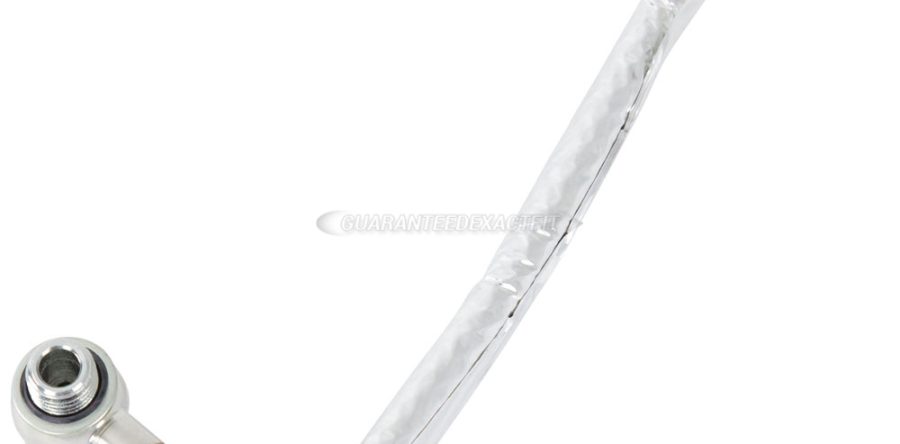
Short Answer: Yes, in many cases you should replace the turbo oil feed line whenever you replace the turbocharger.
When a turbocharger fails, most vehicle owners focus on replacing the turbo itself. However, one critical component is often overlooked: the turbo oil feed line.
The turbocharger depends on a constant supply of clean engine oil for lubrication and cooling. If the oil feed line is partially restricted, contaminated, or damaged, it can starve the turbo of oil and cause premature failure. In fact, many repeat turbocharger failures can be traced back to an old oil supply line that was not replaced during the initial repair.
If you're installing a new turbocharger or diagnosing turbo problems, here's what you need to know about replacing the turbo oil feed line.
What Does a Turbo Oil Feed Line Do?
The turbo oil feed line carries pressurized engine oil from the engine to the turbocharger.
This oil serves two critical functions:
Lubricates the turbocharger's high-speed bearings
Helps dissipate heat generated by the turbo
Many turbochargers spin at speeds exceeding 100,000 RPM. Without adequate lubrication, the bearings can wear rapidly, causing shaft play, seal damage, and eventual turbo failure.
Because the oil feed line is responsible for delivering this oil, any restriction can have serious consequences.
When Should You Replace the Turbo Oil Feed Line?
1. When Replacing a Failed Turbocharger
This is the most common situation where replacement is recommended.
When a turbocharger fails, metal particles, carbon buildup, sludge, and other contaminants may enter the oil system. These contaminants can become trapped inside the feed line.
Installing a new turbo while reusing a contaminated oil line can expose the replacement turbo to the same conditions that caused the original failure.
Signs the old line may be contaminated:
-Turbo bearing failure
-Excessive shaft play
-Turbo seized from lack of lubrication
-Oil sludge found during inspection
-Previous engine oil contamination issues
For many turbocharger applications, replacing the oil feed line is inexpensive insurance against another costly repair.
2. When Carbon Deposits Are Present
Turbocharged engines operate at extremely high temperatures.
Over time, engine oil can "cook" inside the feed line, creating carbon deposits that narrow the internal passage.
Even a partial restriction can reduce oil flow enough to affect turbocharger reliability.

Look for:
-Dark carbon buildup
-Sludge deposits
-Restricted passages
-Hardened oil residue
If the line cannot be thoroughly cleaned, replacement is typically the safest option.
3. When the Oil Feed Line Shows Physical Damage
Oil lines can become damaged from:
-Road debris
-Vibration
-Improper installation
-Excessive heat
Inspect the line for:
-Kinks
-Cracks
-Corrosion
-Flattened sections
-Leaking fittings
Any physical damage can restrict oil flow or cause oil leaks that reduce lubrication to the turbocharger.
4. If the Manufacturer Recommends Replacement
Many turbocharger manufacturers recommend replacing the oil supply line during turbo installation.
Ignoring these recommendations may result in:
-Reduced turbo life
-Repeat failures
-Potential warranty issues
Replacing the line helps ensure the new turbo receives unrestricted oil flow from the start.
What Happens If You Don't Replace the Oil Feed Line?
Reusing a damaged or contaminated oil feed line can lead to several costly problems.
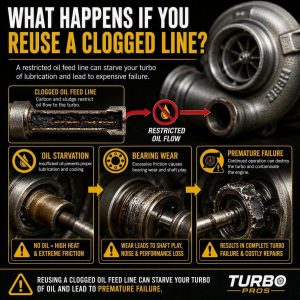
Accelerated Bearing Wear
Insufficient lubrication increases friction between the turbo shaft and bearings.
Symptoms may include:
-Turbo whining
-Siren-like noises
-Excessive shaft play
Turbo Oil Seal Failure
Restricted lubrication can overheat internal components and damage the turbo's oil seals.
Common symptoms include:
-Blue smoke from the exhaust
-Increased oil consumption
-Oil residue in charge pipes
Premature Turbocharger Failure
In severe cases, oil starvation can destroy a replacement turbocharger within a short period of time.
Unfortunately, many vehicle owners replace the turbo but leave the contaminated oil feed line in place, only to experience another failure months later.
Can a Turbo Oil Feed Line Be Cleaned Instead?
Sometimes.
If the line is removable and contamination is minimal, cleaning may be possible.
However, cleaning does not always remove:
-Carbon buildup
-Internal restrictions
-Microscopic metal particles
-Hidden damage
Because replacement feed lines are relatively inexpensive compared to the cost of a turbocharger, many professional installers choose replacement over cleaning whenever possible.
How Much Does a Turbo Oil Feed Line Cost?
Compared to the overall cost of a turbocharger replacement, an oil feed line is typically one of the least expensive components involved in the repair.
The cost of a new oil line is often insignificant when compared to:
-Replacing another failed turbo
-Additional labor charges
-Vehicle downtime
-Engine damage caused by lubrication issues
For that reason, replacing the line during turbo installation is often considered preventative maintenance.
Protect Your New Turbocharger
If you're replacing a turbocharger, don't overlook the oil feed line.
A new turbocharger can only be as reliable as the oil supply feeding it. Reusing an old, contaminated, or damaged feed line may increase the risk of repeat turbo failure, bearing damage, oil leaks, and performance issues.
By replacing the turbo oil feed line at the same time as the turbocharger, you'll help ensure consistent lubrication, improved reliability, and a longer service life for your new turbo.
Looking for a replacement turbo oil feed line? Browse our vehicle-specific Turbo Oil Feed Lines and turbocharger kits at TurbochargerPros.com to help protect your investment and keep your turbo performing at its best.